
CANUS Immigration

Truck Driver LMIA Based Work Permit Canada: Job Offer & LMIA Requirements
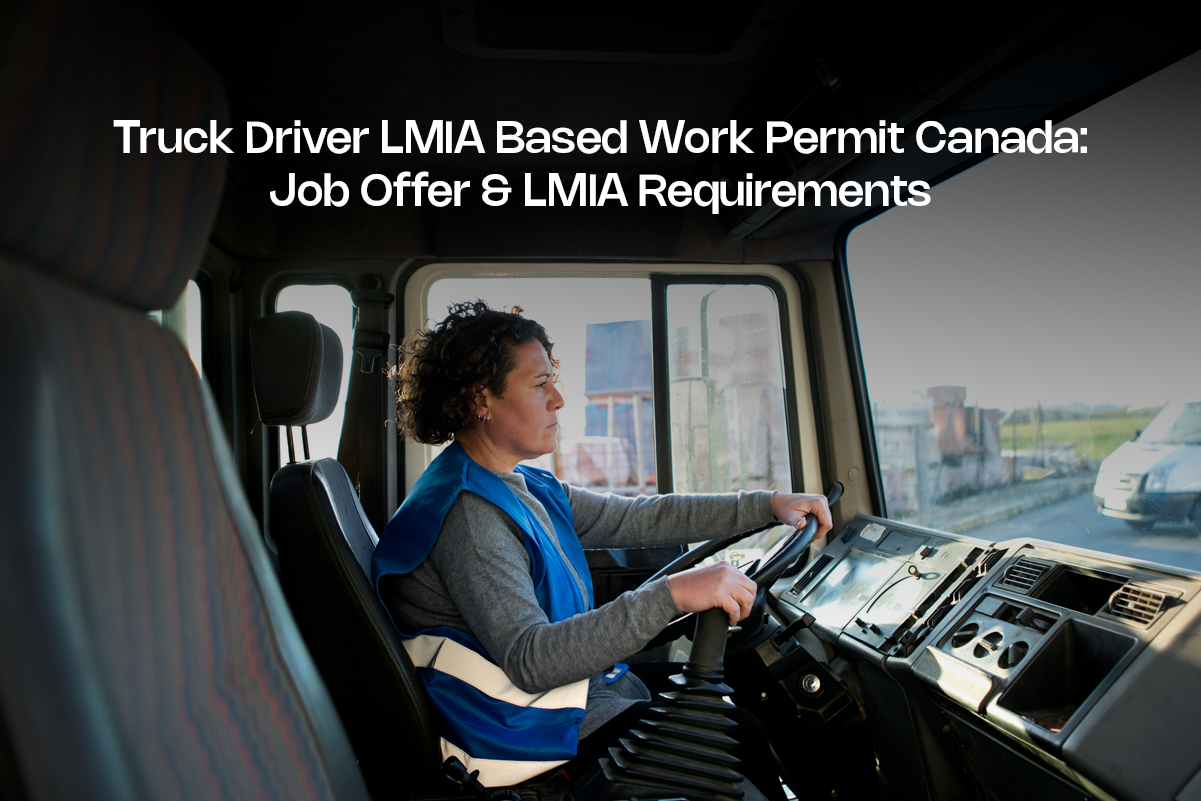
Truck Driver LMIA Based Work Permit Canada

Canada needs more truck drivers. The country has thousands of open positions right now. This creates great chances for skilled drivers from other countries.

You can work legally in Canada through the LMIA work permit program. This program helps foreign workers fill important jobs. The process is clear and straightforward when you know the steps. 

Canadian companies are ready to hire qualified drivers. They offer good pay and stable work. This guide will show you how to get your truck driver LMIA based work permit Canada.

What is LMIA and Why Do You Need It?

LMIA stands for Labour Market Impact Assessment. It is a document from the Canadian government. Your employer must get this before hiring you.

Service Canada checks if Canadian workers are available for the job. They make sure hiring you won’t hurt local workers. The process protects both Canadian workers and foreign employees.

The government looks at your employer’s business carefully. They review wages, working conditions, and recruitment efforts. A positive LMIA means you can apply for a work permit. Truck driving is a high-demand job in Canada. This makes the LMIA approval easier for transport companies. The government knows the country needs more drivers urgently.

Getting a Valid Job Offer from a Canadian Employer

Your first step is finding a Canadian employer. The company must offer you a full-time position. The job offer needs to be in writing.

The offer letter should include specific details. It must show your wage, work hours, and job location. The employer should describe your daily tasks clearly. Only this can help you with your LMIA based work permit Canada.

Your wage must match Canadian standards. Each province sets minimum rates for truck drivers. Most companies pay between $25 to $35 per hour.

The employer will state what type of driving you’ll do. Some jobs involve long-haul routes across provinces. Others focus on local deliveries within cities. Special cargo like refrigerated goods may require extra skills.

Canus Immigration works with verified Canadian transport companies. We help match qualified drivers with legitimate employers. Our team ensures all job offers meet government requirements.

What Employers Must Do for LMIA Approval

Your employer starts the LMIA application process. They must prove they tried to hire Canadian workers first. This means advertising the job for at least four weeks. Companies post job ads on Canadian job boards. They must use platforms like Job Bank and Indeed. The ads need to reach local workers effectively.

The employer prepares a detailed application. They explain their business and why they need foreign workers. They show proof of all recruitment efforts.

Service Canada charges $1,000 per LMIA application. The employer pays this fee, not you. Workers should never pay for LMIA processing.

The government reviews the application carefully. They check if the wage is fair. The government also verify working conditions meet Canadian standards. They ensure the company is legitimate and financially stable. Processing takes a few weeks to several months. Complete applications with clear documentation process faster. The employer receives a positive or negative decision. A positive decision may successfully lead you to get an LMIA based work permit Canada.

Your Qualifications as a Truck Driver

You need proper driving credentials. Your commercial driver’s license must be valid and current. The license should be from your home country. Experience matters significantly. Most employers want at least two years of driving experience. You should have proof of your work history.

Your driving record must be clean. Major accidents or violations can hurt your chances. Traffic tickets and safety issues raise concerns. You need these basic requirements:

  • Valid Class 1 or equivalent commercial license
  • Two or more years of truck driving experience
  • Clean driving abstract or record
  • Medical certificate showing you’re fit to drive
  • Ability to communicate in English or French

Extra certifications help your application. Air brake endorsements are valuable. Dangerous goods training makes you more attractive to employers. Long-haul experience across borders is a plus.

You must prove your language skills. Basic English or French is essential for safety. You’ll need to read signs, follow instructions, and communicate with dispatchers.

Health requirements are strict. You need a medical exam from an approved doctor. The exam checks your vision, hearing, and overall fitness. Some conditions may disqualify you from commercial driving.

How to Apply for Your Work Permit

Your employer receives the positive LMIA first. This document is valid for six months. You must apply for your work permit within this time.

You can apply online through the IRCC website. Create an account and fill out the forms carefully. Upload all required documents in the correct format.

Your application package needs several items:

  • The positive LMIA from your employer
  • Job offer letter with all details
  • Valid passport with at least six months remaining
  • Police certificates from countries you’ve lived in
  • Educational credentials and translations
  • Proof of work experience and driver’s licenses
  • Medical exam results from panel physicians
  • Application fees payment receipt

Double-check everything before submitting. Missing documents delay processing significantly. Errors can lead to rejection. Processing times vary by country. Applications from some countries move faster than others. Most people hear back within a few weeks.

We at Canus Immigration review all documents before submission. Our team catches errors early. We ensure your application is complete and accurate.

Building Your Future in Canada

A truck driver LMIA based work permit Canada opens bigger doors. You can work toward permanent residence. Several immigration programs welcome truck drivers.

The Canadian Experience Class accepts workers with one year of experience. Provincial Nominee Programs often prioritize transport workers. These pathways lead to permanent residence faster.

Truck drivers use NOC code 73300. This code qualifies for many immigration streams. Your work experience counts toward residency requirements.

Many provinces have special programs for drivers. Alberta needs transport workers urgently. Saskatchewan and Manitoba also welcome truck drivers. Ontario and British Columbia have constant demand.

Each province sets its own rules. Some require additional testing or licensing. Research your destination province early. This helps you prepare properly.

Canus Immigration specializes in helping experienced professionals settle in Canada. We guide you from a work permit to permanent residence. Our team has helped hundreds of truck drivers build new lives here.

Tips for Success in Your LMIA-Based Work Permit Application

Start your process early. LMIA and work permit applications take time. Plan for several months from start to finish. Keep all your documents organized. Make copies of everything. Store digital versions in cloud storage.

Make sure you stay in touch with your employer. This is important because many updates you don’t know. They need to update you on LMIA progress. Good communication prevents confusion. Be honest in all applications. False information leads to rejection. It can ban you from Canada permanently.

Save money for your move. You’ll need funds for travel, housing, and initial expenses. Most provinces require proof of settlement funds.

You can connect with other truck drivers in Canada. Online forums share helpful tips. Learning from others’ experiences helps you prepare better.

Working as a truck driver in Canada offers stability. You’ll earn good wages in a safe country. Your family can build a better future here. The truck driver LMIA based work permit Canada process is your gateway. Take the first step today. Your new career in Canada is waiting.

Truck Driver LMIA Based Work Permit Canada: Job Offer & LMIA Requirements

Truck Driver LMIA Based Work Permit Canada

Canada needs more truck drivers. The country has thousands of open positions right now. This creates great chances for skilled drivers from other countries.

You can work legally in Canada through the LMIA work permit program. This program helps foreign workers fill important jobs. The process is clear and straightforward when you know the steps. 

Canadian companies are ready to hire qualified drivers. They offer good pay and stable work. This guide will show you how to get your truck driver LMIA based work permit Canada.

What is LMIA and Why Do You Need It?

LMIA stands for Labour Market Impact Assessment. It is a document from the Canadian government. Your employer must get this before hiring you.

Service Canada checks if Canadian workers are available for the job. They make sure hiring you won’t hurt local workers. The process protects both Canadian workers and foreign employees.

The government looks at your employer’s business carefully. They review wages, working conditions, and recruitment efforts. A positive LMIA means you can apply for a work permit. Truck driving is a high-demand job in Canada. This makes the LMIA approval easier for transport companies. The government knows the country needs more drivers urgently.

Getting a Valid Job Offer from a Canadian Employer

Your first step is finding a Canadian employer. The company must offer you a full-time position. The job offer needs to be in writing.

The offer letter should include specific details. It must show your wage, work hours, and job location. The employer should describe your daily tasks clearly. Only this can help you with your LMIA based work permit Canada.

Your wage must match Canadian standards. Each province sets minimum rates for truck drivers. Most companies pay between $25 to $35 per hour.

The employer will state what type of driving you’ll do. Some jobs involve long-haul routes across provinces. Others focus on local deliveries within cities. Special cargo like refrigerated goods may require extra skills.

Canus Immigration works with verified Canadian transport companies. We help match qualified drivers with legitimate employers. Our team ensures all job offers meet government requirements.

What Employers Must Do for LMIA Approval

Your employer starts the LMIA application process. They must prove they tried to hire Canadian workers first. This means advertising the job for at least four weeks. Companies post job ads on Canadian job boards. They must use platforms like Job Bank and Indeed. The ads need to reach local workers effectively.

The employer prepares a detailed application. They explain their business and why they need foreign workers. They show proof of all recruitment efforts.

Service Canada charges $1,000 per LMIA application. The employer pays this fee, not you. Workers should never pay for LMIA processing.

The government reviews the application carefully. They check if the wage is fair. The government also verify working conditions meet Canadian standards. They ensure the company is legitimate and financially stable. Processing takes a few weeks to several months. Complete applications with clear documentation process faster. The employer receives a positive or negative decision. A positive decision may successfully lead you to get an LMIA based work permit Canada.

Your Qualifications as a Truck Driver

You need proper driving credentials. Your commercial driver’s license must be valid and current. The license should be from your home country. Experience matters significantly. Most employers want at least two years of driving experience. You should have proof of your work history.

Your driving record must be clean. Major accidents or violations can hurt your chances. Traffic tickets and safety issues raise concerns. You need these basic requirements:

  • Valid Class 1 or equivalent commercial license
  • Two or more years of truck driving experience
  • Clean driving abstract or record
  • Medical certificate showing you’re fit to drive
  • Ability to communicate in English or French

Extra certifications help your application. Air brake endorsements are valuable. Dangerous goods training makes you more attractive to employers. Long-haul experience across borders is a plus.

You must prove your language skills. Basic English or French is essential for safety. You’ll need to read signs, follow instructions, and communicate with dispatchers.

Health requirements are strict. You need a medical exam from an approved doctor. The exam checks your vision, hearing, and overall fitness. Some conditions may disqualify you from commercial driving.

How to Apply for Your Work Permit

Your employer receives the positive LMIA first. This document is valid for six months. You must apply for your work permit within this time.

You can apply online through the IRCC website. Create an account and fill out the forms carefully. Upload all required documents in the correct format.

Your application package needs several items:

  • The positive LMIA from your employer
  • Job offer letter with all details
  • Valid passport with at least six months remaining
  • Police certificates from countries you’ve lived in
  • Educational credentials and translations
  • Proof of work experience and driver’s licenses
  • Medical exam results from panel physicians
  • Application fees payment receipt

Double-check everything before submitting. Missing documents delay processing significantly. Errors can lead to rejection. Processing times vary by country. Applications from some countries move faster than others. Most people hear back within a few weeks.

We at Canus Immigration review all documents before submission. Our team catches errors early. We ensure your application is complete and accurate.

Building Your Future in Canada

A truck driver LMIA based work permit Canada opens bigger doors. You can work toward permanent residence. Several immigration programs welcome truck drivers.

The Canadian Experience Class accepts workers with one year of experience. Provincial Nominee Programs often prioritize transport workers. These pathways lead to permanent residence faster.

Truck drivers use NOC code 73300. This code qualifies for many immigration streams. Your work experience counts toward residency requirements.

Many provinces have special programs for drivers. Alberta needs transport workers urgently. Saskatchewan and Manitoba also welcome truck drivers. Ontario and British Columbia have constant demand.

Each province sets its own rules. Some require additional testing or licensing. Research your destination province early. This helps you prepare properly.

Canus Immigration specializes in helping experienced professionals settle in Canada. We guide you from a work permit to permanent residence. Our team has helped hundreds of truck drivers build new lives here.

Tips for Success in Your LMIA-Based Work Permit Application

Start your process early. LMIA and work permit applications take time. Plan for several months from start to finish. Keep all your documents organized. Make copies of everything. Store digital versions in cloud storage.

Make sure you stay in touch with your employer. This is important because many updates you don’t know. They need to update you on LMIA progress. Good communication prevents confusion. Be honest in all applications. False information leads to rejection. It can ban you from Canada permanently.

Save money for your move. You’ll need funds for travel, housing, and initial expenses. Most provinces require proof of settlement funds.

You can connect with other truck drivers in Canada. Online forums share helpful tips. Learning from others’ experiences helps you prepare better.

Working as a truck driver in Canada offers stability. You’ll earn good wages in a safe country. Your family can build a better future here. The truck driver LMIA based work permit Canada process is your gateway. Take the first step today. Your new career in Canada is waiting.