CANUS Immigration

Permanent Residency in Canada: Eligibility, Cost & Processing Time
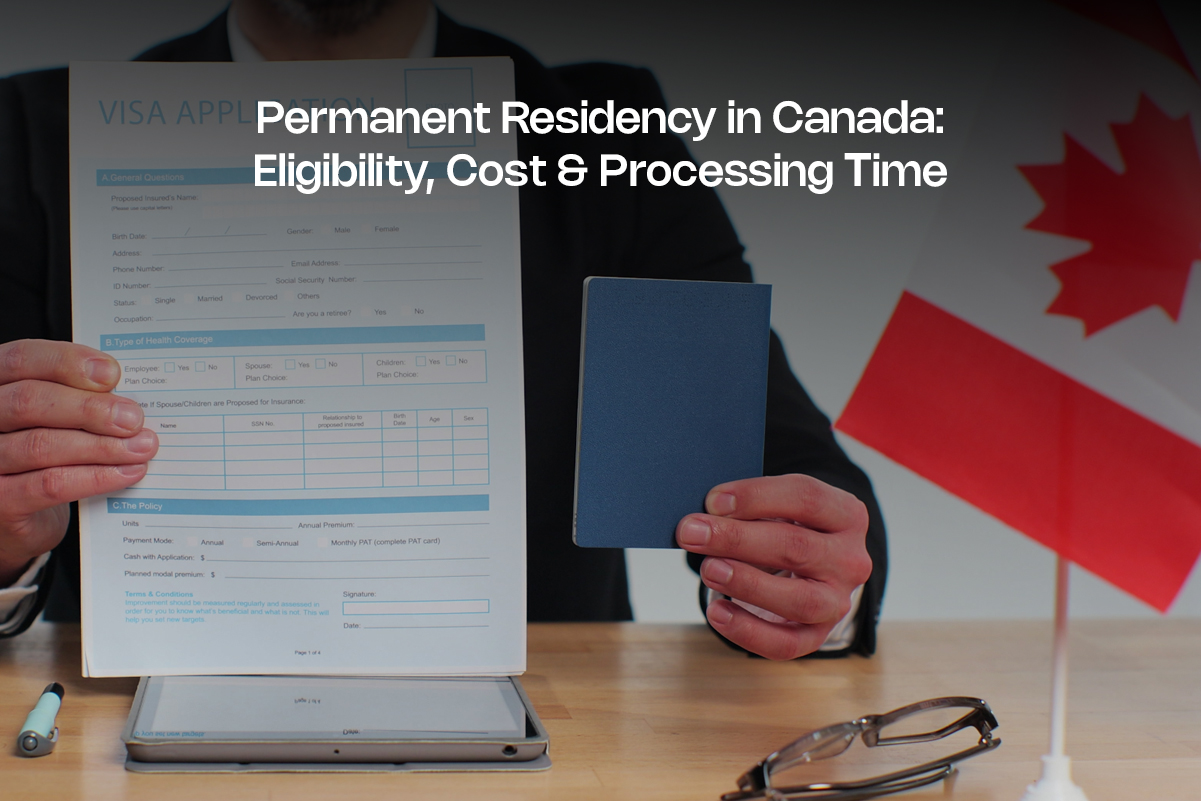
Permanent Residency in Canada

Canada welcomes immigrants from around the world. The country offers many ways to get permanent residency. You can apply as a skilled worker, student, or family member. Knowing the process helps you plan better.

Permanent residency gives you many benefits. You get healthcare and education access. You can work anywhere in Canada. Later, you can apply for citizenship too.

Why Choose Canadian Permanent Residency?

Permanent residency lets you live, work, and study in Canada. You get most benefits that citizens enjoy. This includes healthcare and social services. Your status stays valid if you meet the residency rules.

Key benefits of permanent residency include:

  • Healthcare Access: You get provincial health insurance. This covers doctor visits and hospital stays. You don’t pay for most medical treatments.
  • Work Freedom: You can work for any employer in Canada. You don’t need an LMIA based work permit Canada anymore. You have no job restrictions.
  • Education Benefits: Your children go to public schools for free. You pay local fees at colleges and universities. This saves you thousands of dollars each year.
  • Pathway to Citizenship: You can apply for citizenship after three years. You need to live in Canada for a five-year period. Then you can get a Canadian passport.

You must spend 730 days in Canada every five years. This rule keeps your status active. Missing this requirement means you lose your permanent residency.

Who Can Apply for Canadian Permanent Residency?

Canada has many immigration programs. Express Entry helps skilled workers. Provincial programs let provinces choose workers they need. Family sponsorship brings relatives to Canada.

Your chances depend on several factors. These include your age, education, and work experience. Language skills matter too. Young people between 20 and 29 get more points. Canadian work experience helps your application. Education from Canadian schools adds value.

Language skills are very important. You must take approved tests like IELTS or CELPIP. Higher scores help you rank better. The system checks reading, writing, speaking, and listening. Good scores improve your chances of getting invited.

Some people use an open work permit to work in Canada first. This gives them Canadian work experience. This experience helps their permanent residency applications later. Working here helps you learn the culture. You build networks and show you can contribute to Canada.

Main Pathways to Permanent Residency

Canada has different immigration streams. Each path has its own rules. Picking the right one helps you succeed.

The Federal Skilled Worker Program wants professionals with work experience. You need one year of full-time work. Your job must be in skilled categories.

Express Entry System

Express Entry manages three federal programs. You create an online profile first. Then you join a pool of candidates. The government picks top candidates regularly. These people get invitations to apply.

Provincial Nominee Programs

Each province runs its own program. They have different selection rules. These programs want workers who can help the local economy. A provincial nomination adds 600 points to your score. This almost guarantees an invitation.

Provinces like Ontario, British Columbia, and Alberta hold draws often. They pick people based on local job needs. Some want job offers. Others focus on specific jobs. Research helps you find the best match.

Canadian Experience Class

This program targets people already working in Canada. You need one year of skilled work experience here. Your work must be recent. The job should be full-time or equivalent part-time hours.

Many international students use this route. They graduate and get work permits. Then they gain Canadian experience. This path feels natural for people who studied here. You already know the country and culture.

Family Sponsorship Program

Canadian citizens and permanent residents can sponsor family members. You can bring your spouse or partner. Parents and grandparents qualify too. Dependent children can also come with you. The sponsor must prove they can support the family financially. They sign an agreement to help the sponsored person. Processing times vary by relationship. Spouses usually get faster processing than parents.

Start-up Visa Program

Entrepreneurs with innovative business ideas can apply through this stream. You need support from a designated organization. This could be a venture capital fund or angel investor group. Your business must create jobs for Canadians.

The program wants people who can build scalable companies. You don’t need to invest your own money upfront. However, you must prove your business concept works. This path suits creative thinkers and innovators.

How Much Does Permanent Residency Cost?

Getting permanent residency costs money. You pay several fees. Express Entry costs CAD 850 for the main person. Family members pay extra fees too.

You also pay CAD 515 as a permanent residence fee. This comes after approval. Each adult pays this amount. Kids under 22 don’t pay it. This saves money for families.

You need money for other things too. Language tests can cost anywhere between CAD 300-400. Education assessments cost CAD 200-300. Medical exams can cost CAD 200-450 per person. The cost of your PR can vary based on which stream or pathway you are choosing. It’s better to consult with the best immigration consultant near me before applying.

Additional expenses to consider:

  • Immigration consultant fees help you with paperwork and avoid mistakes
  • Police certificates from countries where you lived before
  • Translation fees for documents in other languages
  • Travel costs for interviews or biometrics appointments

Many people work with a best immigration consultant near me for help. At Canus Immigration, we help clients at every step. We prevent mistakes and delays. Expert help saves time and money. This matters most for complex cases with families.

Processing Time for Permanent Residency Applications

Processing times vary by program. Express Entry takes about six months. Sometimes it takes longer. This happens when officers need more documents. Security checks can add time too.

Provincial programs have two stages. First, you wait for provincial nomination. This takes three to six months. Then you apply federally. This adds six more months. Total time is usually nine to twelve months.

Family sponsorship times differ. Spouse sponsorship takes twelve months. Parent sponsorship takes over twenty-four months. Many people apply. Officers check everything carefully. This takes more time.

Tips for a Successful Application

Start collecting documents early. Get your education certificates and work letters. Make sure they meet Canadian standards. Keep everything organized and ready.

Language test scores last two years. Plan your timeline well. Don’t let scores expire. Take practice tests first. This helps you get better scores. Good scores boost your ranking.

Fill forms carefully and completely. Check for spelling errors. Make sure dates match. Double-check everything. Officers reject incomplete applications. Mistakes cause delays. You don’t want that.

Update your Express Entry profile when things change. Report new work experience. Add new language scores. Tell them about marriage or family changes. Current information helps you get invitations faster. It prevents problems later.

Why Choose Professional Immigration Assistance

Immigration rules change often. Staying updated is hard. Professional consultants know all the changes. They make sure your application follows new rules. At Canus Immigration, our Toronto team tracks all updates. We know what works and what doesn’t.

Expert help finds the best path for you. We check your qualifications and spot possible problems. We make your application stronger. Our experience with many cases helps us give personal advice. This improves your success rate and reduces waiting time.

Permanent Residency in Canada: Eligibility, Cost & Processing Time

Permanent Residency in Canada

Canada welcomes immigrants from around the world. The country offers many ways to get permanent residency. You can apply as a skilled worker, student, or family member. Knowing the process helps you plan better.

Permanent residency gives you many benefits. You get healthcare and education access. You can work anywhere in Canada. Later, you can apply for citizenship too.

Why Choose Canadian Permanent Residency?

Permanent residency lets you live, work, and study in Canada. You get most benefits that citizens enjoy. This includes healthcare and social services. Your status stays valid if you meet the residency rules.

Key benefits of permanent residency include:

  • Healthcare Access: You get provincial health insurance. This covers doctor visits and hospital stays. You don’t pay for most medical treatments.
  • Work Freedom: You can work for any employer in Canada. You don’t need an LMIA based work permit Canada anymore. You have no job restrictions.
  • Education Benefits: Your children go to public schools for free. You pay local fees at colleges and universities. This saves you thousands of dollars each year.
  • Pathway to Citizenship: You can apply for citizenship after three years. You need to live in Canada for a five-year period. Then you can get a Canadian passport.

You must spend 730 days in Canada every five years. This rule keeps your status active. Missing this requirement means you lose your permanent residency.

Who Can Apply for Canadian Permanent Residency?

Canada has many immigration programs. Express Entry helps skilled workers. Provincial programs let provinces choose workers they need. Family sponsorship brings relatives to Canada.

Your chances depend on several factors. These include your age, education, and work experience. Language skills matter too. Young people between 20 and 29 get more points. Canadian work experience helps your application. Education from Canadian schools adds value.

Language skills are very important. You must take approved tests like IELTS or CELPIP. Higher scores help you rank better. The system checks reading, writing, speaking, and listening. Good scores improve your chances of getting invited.

Some people use an open work permit to work in Canada first. This gives them Canadian work experience. This experience helps their permanent residency applications later. Working here helps you learn the culture. You build networks and show you can contribute to Canada.

Main Pathways to Permanent Residency

Canada has different immigration streams. Each path has its own rules. Picking the right one helps you succeed.

The Federal Skilled Worker Program wants professionals with work experience. You need one year of full-time work. Your job must be in skilled categories.

Express Entry System

Express Entry manages three federal programs. You create an online profile first. Then you join a pool of candidates. The government picks top candidates regularly. These people get invitations to apply.

Provincial Nominee Programs

Each province runs its own program. They have different selection rules. These programs want workers who can help the local economy. A provincial nomination adds 600 points to your score. This almost guarantees an invitation.

Provinces like Ontario, British Columbia, and Alberta hold draws often. They pick people based on local job needs. Some want job offers. Others focus on specific jobs. Research helps you find the best match.

Canadian Experience Class

This program targets people already working in Canada. You need one year of skilled work experience here. Your work must be recent. The job should be full-time or equivalent part-time hours.

Many international students use this route. They graduate and get work permits. Then they gain Canadian experience. This path feels natural for people who studied here. You already know the country and culture.

Family Sponsorship Program

Canadian citizens and permanent residents can sponsor family members. You can bring your spouse or partner. Parents and grandparents qualify too. Dependent children can also come with you. The sponsor must prove they can support the family financially. They sign an agreement to help the sponsored person. Processing times vary by relationship. Spouses usually get faster processing than parents.

Start-up Visa Program

Entrepreneurs with innovative business ideas can apply through this stream. You need support from a designated organization. This could be a venture capital fund or angel investor group. Your business must create jobs for Canadians.

The program wants people who can build scalable companies. You don’t need to invest your own money upfront. However, you must prove your business concept works. This path suits creative thinkers and innovators.

How Much Does Permanent Residency Cost?

Getting permanent residency costs money. You pay several fees. Express Entry costs CAD 850 for the main person. Family members pay extra fees too.

You also pay CAD 515 as a permanent residence fee. This comes after approval. Each adult pays this amount. Kids under 22 don’t pay it. This saves money for families.

You need money for other things too. Language tests can cost anywhere between CAD 300-400. Education assessments cost CAD 200-300. Medical exams can cost CAD 200-450 per person. The cost of your PR can vary based on which stream or pathway you are choosing. It’s better to consult with the best immigration consultant near me before applying.

Additional expenses to consider:

  • Immigration consultant fees help you with paperwork and avoid mistakes
  • Police certificates from countries where you lived before
  • Translation fees for documents in other languages
  • Travel costs for interviews or biometrics appointments

Many people work with a best immigration consultant near me for help. At Canus Immigration, we help clients at every step. We prevent mistakes and delays. Expert help saves time and money. This matters most for complex cases with families.

Processing Time for Permanent Residency Applications

Processing times vary by program. Express Entry takes about six months. Sometimes it takes longer. This happens when officers need more documents. Security checks can add time too.

Provincial programs have two stages. First, you wait for provincial nomination. This takes three to six months. Then you apply federally. This adds six more months. Total time is usually nine to twelve months.

Family sponsorship times differ. Spouse sponsorship takes twelve months. Parent sponsorship takes over twenty-four months. Many people apply. Officers check everything carefully. This takes more time.

Tips for a Successful Application

Start collecting documents early. Get your education certificates and work letters. Make sure they meet Canadian standards. Keep everything organized and ready.

Language test scores last two years. Plan your timeline well. Don’t let scores expire. Take practice tests first. This helps you get better scores. Good scores boost your ranking.

Fill forms carefully and completely. Check for spelling errors. Make sure dates match. Double-check everything. Officers reject incomplete applications. Mistakes cause delays. You don’t want that.

Update your Express Entry profile when things change. Report new work experience. Add new language scores. Tell them about marriage or family changes. Current information helps you get invitations faster. It prevents problems later.

Why Choose Professional Immigration Assistance

Immigration rules change often. Staying updated is hard. Professional consultants know all the changes. They make sure your application follows new rules. At Canus Immigration, our Toronto team tracks all updates. We know what works and what doesn’t.

Expert help finds the best path for you. We check your qualifications and spot possible problems. We make your application stronger. Our experience with many cases helps us give personal advice. This improves your success rate and reduces waiting time.